

The Global and Regional Economic Fallout of the Direct US-Israel-Iran Conflict
Executive Summary
The dramatic escalation of direct military conflict involving the United States, Israel, and Iran over the past several months has triggered profound geopolitical and economic shocks. Beyond the tragic human toll and severe infrastructure destruction, the conflict has disrupted vital trade corridors, spiked global energy markets, paralyzed regional tourism, and imposed astronomical military expenditure on all involved parties.
1. Human and Urban Infrastructure Damage (Human & Physical Capital)
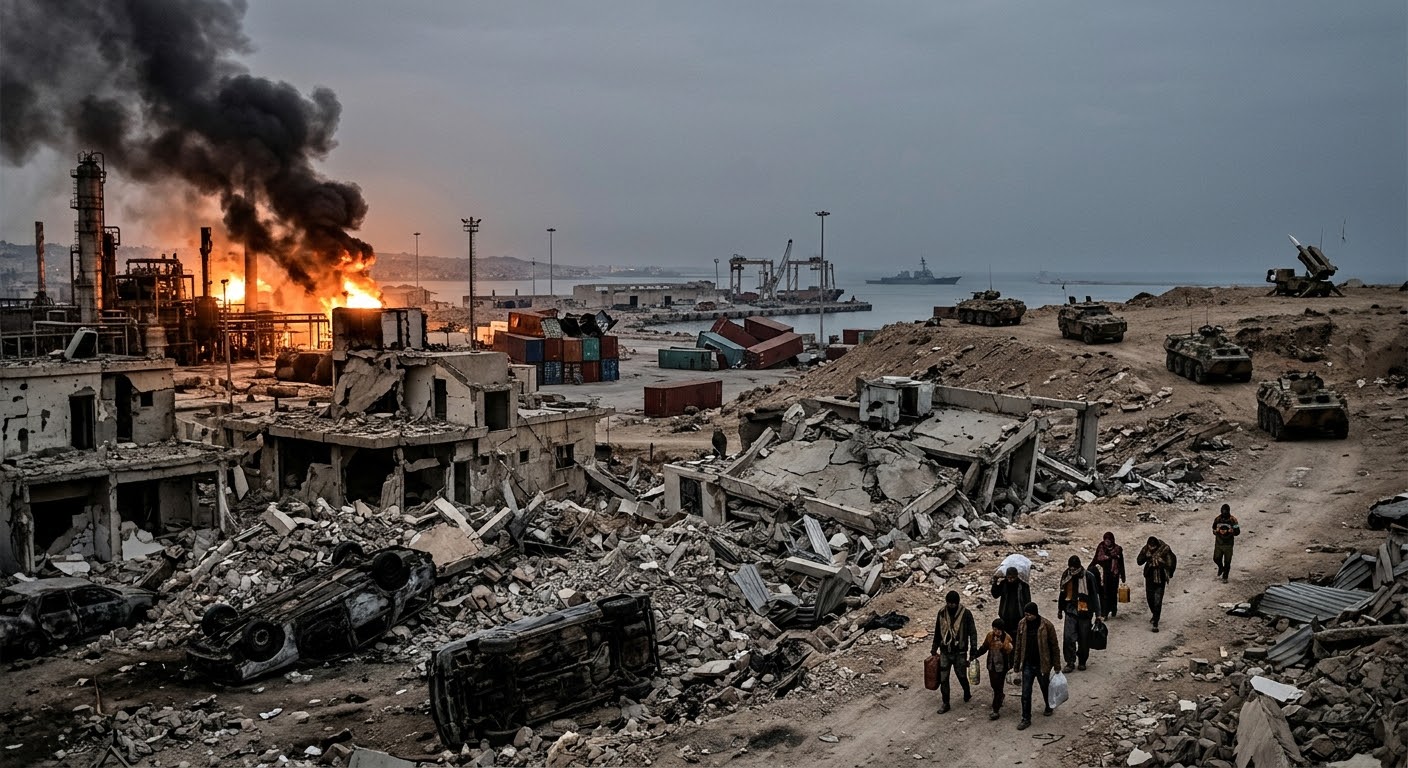
- Civilian Displacement & Casualty Toll: The direct missile strikes, drone attacks, and regional exchange of fire have caused devastating loss of life and displaced hundreds of thousands of civilians across conflict zones in the Levant and the Gulf region.
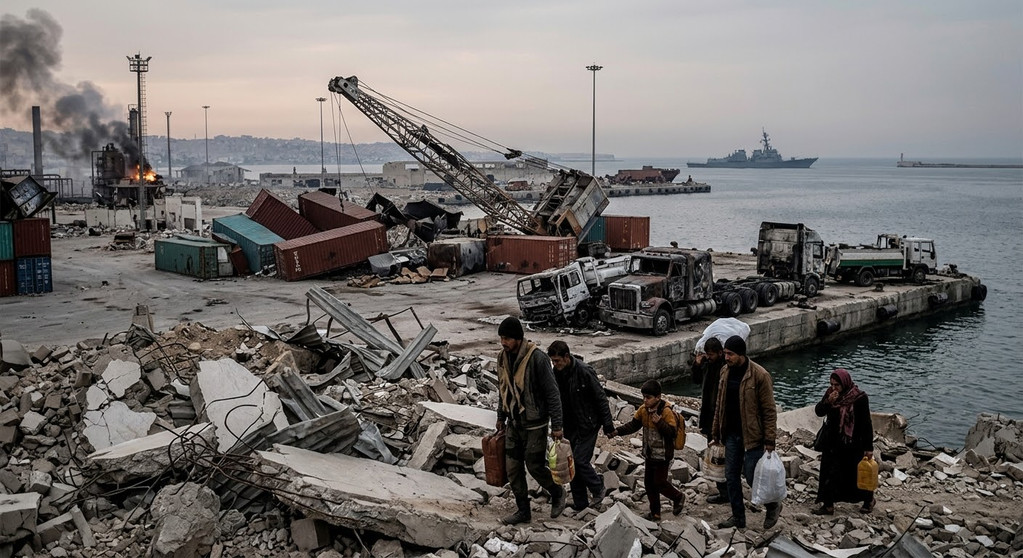
- Destruction of Critical Infrastructure: High-precision strikes and barrage bombardments have crippled civil infrastructure, including residential housing, power grids, water supply networks, and port facilities across key target areas.
- Long-term Reconstruction Costs: Rebuilding residential and public infrastructure will require tens of billions of dollars over the coming decade, diverting essential capital away from healthcare, education, and public development.
2. Energy Markets and Financial Disruption
- Oil Price Volatility & Inflation: Fear of disruptions along the Strait of Hormuz—through which roughly 20% of the world’s petroleum passes—led to immediate spikes in Brent Crude oil prices, renewing global inflationary pressures and complicating central bank monetary policies worldwide.
- Sovereign Credit Downgrades: Regional sovereign debt ratings faced severe downgrades due to skyrocketing fiscal deficits, declining foreign currency reserves, and rising borrowing costs on international markets.
- Capital Flight & Currency Depreciation: Emerging markets and directly affected economies witnessed significant capital flight toward safe-haven assets (gold and the US dollar), causing local currency depreciations and domestic purchasing power erosion.
3. Tourism, Aviation, and Commercial Trade Losses
- Paralysis of the Tourism Sector: Hospitality and travel industries across the Middle East suffered massive cancellations. Hotel occupancy rates collapsed, causing billions in lost revenue for economies heavily dependent on international visitors.
- Aviation rerouting and Groundings: Widespread airspace closures forced global airlines to cancel routes or take longer, more expensive detour paths around the conflict zone, dramatically increasing fuel costs and airfare globally.
- Maritime Shipping & Supply Chains: Maritime trade through critical bottlenecks (including the Red Sea and the Persian Gulf) faced exorbitant war-risk insurance premiums, causing shipping delays and elevated freight rates that impacted global trade.
4. Military, Defense, and Fiscal Expenditures
- Astronomical Defense Spending: Engaging in high-intensity modern warfare—utilizing advanced air defense interceptors, stealth fighter operations, and long-range precision missiles—costs billions of dollars daily for active combatants.
- Depletion of Strategic Munitions: Continuous intercept operations rapidly drain sophisticated missile defense stockpiles, forcing governments to reallocate national budget reserves toward immediate defense procurement and emergency military aid.
- Opportunity Cost of War: Massive military expenditures directly crowd out social safety nets, public infrastructure investments, and sustainable economic development plans across the region.
Conclusion
The conflict between the United States, Israel, and Iran demonstrates that modern multi-front warfare carries catastrophic economic and humanitarian consequences far beyond the immediate battlefields. Restoring market stability, rebuilding destroyed infrastructure, and reclaiming lost economic growth will demand prolonged diplomacy, massive international capital investment, and long-term geopolitical stabilization.